Nov 27, 2023
CIIP
Education
CIIP Chronicles: Training & Education in Imaging Informatics
In the digital dazzle of imaging informatics, it's easy to get lost in the allure of the latest gadgets and algorithms. But let's not forget the real heroes behind the scenes – the people. Our journey through the CIIP puzzle brings us to a cornerstone: Training and Education. Representing 5 out of the 130 questions on the CIIP exam, this section is far from a mere overview. We're not just scratching the surface here; we're diving deep into the realm of crafting exceptional training programs for the unsung heroes of imaging informatics. It’s about mastering the ‘why’ as much as the ‘how’ in nurturing the minds behind the machines.
1. Assessing Training Needs: The Starting Point Identifying the Gap: The first step in any impactful training journey is understanding the unique needs of the professionals involved. In imaging informatics, this means gauging the technological skills of radiologists, technicians, and IT staff, alongside their familiarity with emerging systems and protocols. Customizing to Context: Training isn’t a one-size-fits-all solution. The bustling environment of a hospital or the research-driven atmosphere of an academic institution dictates distinct training demands. Tailoring training to these specific contexts ensures relevance and effectiveness.
2. Designing and Developing Training Programs: Crafting the Blueprint
Creating Comprehensive Content: The bedrock of any robust training program lies in its content. Detailed modules covering the latest imaging technologies, data management protocols, and regulatory compliance form the core of effective training in imaging informatics. Engaging and Interactive Formats: In our digital era, how we learn is just as crucial as what we learn. Training formats now extend beyond traditional methods, embracing simulations, gamified experiences, and hands-on workshops to elevate the learning experience.
3. Implementing Training: Bringing Learning to Life
Facilitating Effective Delivery: The successful implementation of training programs hinges on meticulous planning, balancing minimal disruption with maximal engagement. Utilizing Technology: Embracing online platforms and learning management systems enables a more dynamic and accessible training experience, catering to diverse learning preferences and schedules of healthcare professionals.
4. Evaluating Training Effectiveness: Measuring Impact
Feedback and Improvement: Post-training evaluations are not mere formalities; they are critical in measuring the effectiveness of training. Surveys, quizzes, and practical assessments play a pivotal role in identifying successes and areas for improvement. Long-term Impact Assessment: Beyond immediate feedback, the ultimate aim of training in imaging informatics is to enhance patient care and operational efficiency. Regular follow-ups and performance evaluations are key in assessing the enduring impact of training initiatives.
Adapting to Diverse Learning Styles in Imaging Informatics Education
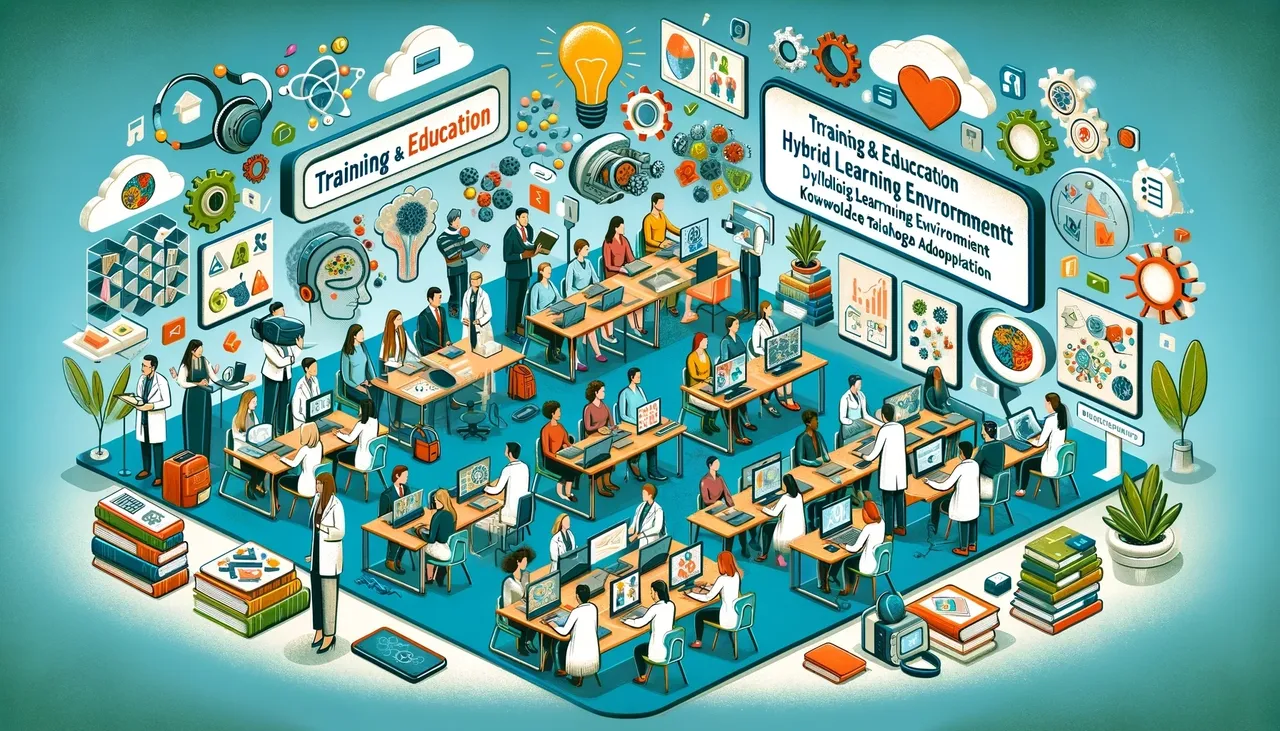
In the diverse educational landscape of imaging informatics, adopting a universal approach to learning is not feasible. Each learner brings their unique style to the table, necessitating a versatile approach to training. The Spectrum of Learning Styles: From visual learners who thrive on diagrams and images to auditory learners who excel through lectures, and kinesthetic learners who benefit from hands-on experience – the array of learning styles calls for a multifaceted training approach. Embracing the Hybrid Learning Model: The shift towards hybrid learning models, blending live, interactive sessions with flexible, self-paced materials, epitomizes modern education. This model allows learners to engage with instructors and complement this interaction with resources like podcasts, e-books, and videos. The Role of Technology in Diversifying Learning: Technological advancements have revolutionized the educational sphere. Online platforms now offer a plethora of materials, making learning more engaging and accessible than ever. In the fast-paced world of imaging informatics, such versatility is invaluable.
Conclusion: A Flexible, Inclusive Approach to Learning
As we navigate through the complexities of imaging informatics, it's evident that a flexible and inclusive approach to training and education is imperative. By accommodating diverse learning styles and embracing hybrid models, we ensure that our training programs are not only effective but also resonate with every learner. As we forge ahead in the dynamic field of healthcare technology, our commitment to continuous learning and adaptation remains the guiding star in our quest for excellence in imaging informatics.